Highlights
- Hiring the right criminal defense attorney early gives your case the strongest possible foundation.
- Not all attorneys are equal — courtroom experience with your specific charge type matters most.
- A free initial consultation is the clearest window into how an attorney communicates and strategizes.
- Fee structures range from flat rates to hourly billing, so ask before you sign anything.
- Peer reputation and local courtroom familiarity often outweigh online reviews alone.
- Public defenders and private attorneys each serve a purpose depending on your financial situation.
Why Does Hiring Quickly Matter?
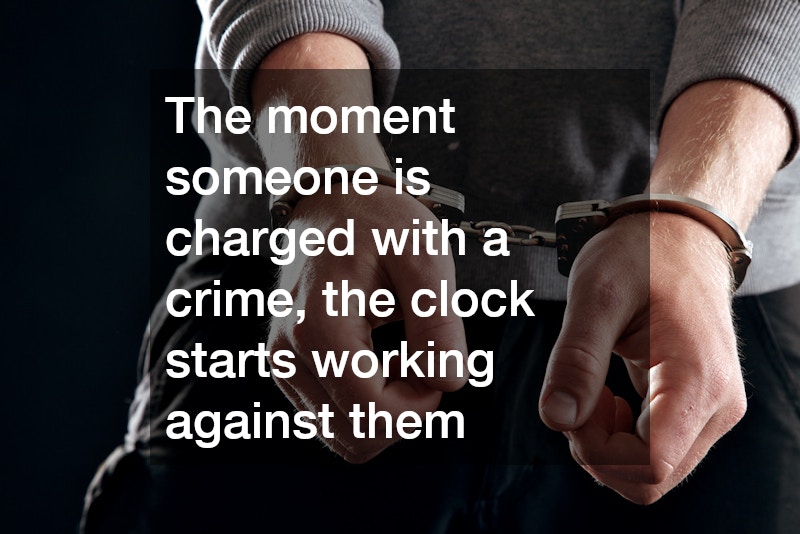
The moment someone is charged with a crime, the clock starts working against them. Evidence can disappear, witness memories fade, and procedural deadlines for filing motions begin ticking almost immediately.
A criminal defense attorney brought in early has far more room to investigate the charges, negotiate with prosecutors, and build a defense strategy before the case gathers momentum. Waiting to hire representation — even by a few weeks — can mean missing opportunities to challenge evidence or negotiate favorable terms before formal proceedings lock a case into a fixed track. The American Bar Association’s lawyer-referral resources exist specifically to help people move quickly and connect with qualified counsel without wasting time on unreliable searches.
What Type of Attorney Do You Actually Need?
Criminal law covers an enormous range of charges, and few attorneys are equally skilled across all of them. Before hiring, it helps to confirm:
- Whether the attorney focuses primarily on criminal defense, not general practice
- Whether they’ve handled cases involving your specific charge (DUI, drug offense, assault, fraud, etc.)
- Whether they have experience specifically in the court where your case will be heard
- Whether they’ve worked as a prosecutor or public defender, which often deepens courtroom insight
- Whether they’re licensed and in good standing with the state bar
- Whether their caseload allows them to give your case real attention
How Much Does Courtroom Familiarity Really Matter?
Legal knowledge is only part of the equation — familiarity with the specific courthouse where a case will be tried often matters just as much. Procedures, plea-bargaining tendencies, and working relationships with prosecutors vary significantly from one jurisdiction to the next, even within the same state. According to Nolo’s guide on evaluating private defense attorneys, defendants are generally better served by a criminal defense attorney who already knows the local judges, prosecutors, and courtroom culture rather than one who is simply well-credentialed on paper. An attorney who regularly appears before the same judges often has a more accurate read on how a case is likely to unfold, which can shape everything from plea negotiations to trial strategy.
What Should Happen During the First Consultation?
Most defense attorneys offer a free or low-cost initial consultation, and it’s the best opportunity to evaluate fit before making a decision. Useful questions to bring include:
- How many cases similar to mine have you personally handled?
- What is your honest initial assessment of the charges I’m facing?
- Who will actually be working on my case day to day?
- How and how often will you communicate with me?
- What are your total fees, and what specifically do they cover?
- What outcomes have you achieved in comparable cases?
Vague or evasive answers to these questions are often a warning sign worth taking seriously.
What Should You Understand About Fees Before Signing?
Legal fees for criminal defense vary widely depending on the complexity of the case, the jurisdiction, and whether the charge is a misdemeanor or felony. Some attorneys charge a flat fee for straightforward matters, while cases likely to go to trial are often billed hourly, with costs that can climb significantly. A written fee agreement should clearly outline what services are included, how additional costs are handled, and what happens if the case scope expands. It’s also worth understanding how the broader court process works before committing to a fee structure. The U.S. Courts’ overview of how criminal cases proceed, from initial appearance through sentencing, offers useful context for anticipating how long a case might take and what stages will likely generate additional costs.
Should You Consider a Public Defender Instead?
For defendants who cannot afford private representation, a public defender is a fully licensed criminal defense attorney appointed at no cost. Public defenders often carry heavy caseloads, but their daily presence in the same courts gives them deep familiarity with local judges, prosecutors, and procedures. Choosing between a public defender and a private attorney typically comes down to financial eligibility and personal preference for direct access to one dedicated lawyer versus a team-based public defender’s office. Anyone unsure of their eligibility should ask the court directly during their initial appearance, since the process for requesting appointed counsel is typically straightforward and time-sensitive.
What’s the Best Way to Make a Final Decision?
Choosing a criminal defense attorney comes down to a mix of research, direct conversation, and instinct. Confirm licensing and courtroom experience, ask pointed questions during a consultation, and pay close attention to how clearly an attorney communicates and how confident they seem in handling your specific charge. Reputation among peers, familiarity with the local court, and a clear understanding of fees all factor into a sound decision. The process takes time, but rushing it rarely pays off — the strength of a defense often traces directly back to the quality of the representation behind it. Taking the search seriously from the start gives anyone facing charges the best possible foundation moving forward.